
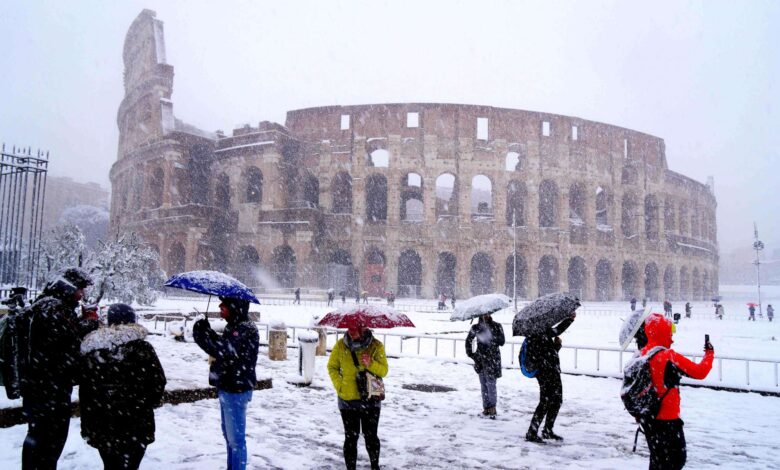
Rome, the eternal city, is a place of history, culture, and unparalleled beauty. While most travelers think of Rome during spring or summer, winter holds its own charm and unique appeal. Understanding when is winter in Rome is essential for anyone planning a trip, whether it’s for sightseeing, cultural experiences, or simply enjoying the city at a slower pace. In this detailed guide, we will explore everything about winter in Rome, from weather patterns and cultural events to travel tips, local cuisine, and practical advice for visitors.
Understanding the Winter Season in Rome
Winter in Rome generally spans December, January, and February. These months are recognized as the official winter period both meteorologically and astronomically. Unlike cities in northern Europe, Rome benefits from a Mediterranean climate, making its winters relatively mild. Average temperatures rarely fall below freezing, and snowfall is uncommon, which can make winter travel more comfortable than in many other European cities.
Knowing when is winter in Rome is crucial for planning a trip that aligns with your travel preferences. Some visitors may prefer the quieter streets and fewer crowds, while others might want to experience festive events and holiday traditions unique to Rome during this season. The combination of mild weather, cultural richness, and seasonal attractions makes winter a surprisingly appealing time to explore the city.
Weather Patterns: What to Expect in Winter
Rome experiences a mild Mediterranean winter. Average daytime temperatures range from 12 to 14 degrees Celsius, while nighttime lows can drop to 0–5 degrees Celsius. The city’s weather is often overcast, with occasional rain, but severe cold is rare. Understanding when is winter in Rome helps travelers prepare for comfortable exploration of the city’s famous sites.
Rainfall is more frequent in the winter months than in summer, with December often being the wettest month. While it rarely rains continuously, sudden showers are common, so carrying a light waterproof jacket or umbrella is recommended. Wind is generally gentle, but the city’s open squares can feel chillier, especially in the early mornings and evenings.
Despite these conditions, winter offers the advantage of crisp, clear days that are perfect for sightseeing. Many tourists find the cool air refreshing compared to the heat and crowds of summer. Light layers, sweaters, and jackets are ideal for daytime exploration, while heavier coats may be necessary for evenings.
Winter Daylight and Its Impact on Tourism
One important aspect of when is winter in Rome is the shorter daylight hours. December and January have some of the shortest days of the year, with sunset occurring as early as 4:45 PM in mid-December. While this limits the amount of daylight for sightseeing, it also creates a magical atmosphere as historic monuments and streets are illuminated in the early evening.
The winter light in Rome is softer and more diffused than in summer, making it excellent for photography. Landmarks such as the Colosseum, St. Peter’s Basilica, and the Pantheon appear more dramatic against a winter sky, providing unique photo opportunities. Tourists who are aware of when is winter in Rome can plan their sightseeing itinerary around the shorter days to make the most of available daylight while also enjoying illuminated cityscapes at night.
Cultural Events and Festivals in Rome During Winter
Winter in Rome is not just about cooler temperatures; it is also a season of cultural vibrancy. December marks the start of the holiday season, with Christmas markets, festive lights, and nativity scenes appearing throughout the city. Piazza Navona hosts one of the most famous Christmas markets in Rome, featuring handcrafted gifts, seasonal foods, and entertainment for all ages.
New Year’s Eve in Rome is celebrated with fireworks, concerts, and street festivities. Popular areas such as Piazza del Popolo, the Colosseum vicinity, and the Tiber River host live events that bring the city to life despite the winter chill.
January and February continue the festive spirit with Epiphany celebrations on January 6th, which include parades, local traditions, and family-oriented events. Carnival, often held in February, brings color and excitement to the city, with masked balls, street performances, and lively parties. By understanding when is winter in Rome, travelers can schedule their visits to coincide with these vibrant cultural experiences, adding a deeper layer of engagement to their trip.
Exploring Rome’s Iconic Landmarks in Winter
Winter provides a unique opportunity to explore Rome’s iconic landmarks without the summer crowds. The Colosseum, Roman Forum, and Palatine Hill are far less congested, allowing visitors to enjoy these historical sites at a more relaxed pace. Similarly, Vatican City, including St. Peter’s Basilica and the Vatican Museums, is easier to navigate during winter months.
Walking tours through historic neighborhoods like Trastevere, Monti, and Campo de’ Fiori are particularly enjoyable in winter, as the streets are quieter and the architecture stands out against the crisp air. Knowing when is winter in Rome helps travelers plan their visits strategically, avoiding long lines and making the most of limited daylight.
Additionally, many churches and museums offer special winter exhibitions and seasonal events. Art lovers and history enthusiasts can enjoy exhibitions, concerts, and cultural programs that are less crowded than in peak tourist months.
Winter Cuisine: A Taste of Rome
Winter in Rome is a season for hearty, comforting food. Traditional Roman cuisine includes dishes such as pasta alla carbonara, cacio e pepe, and trippa alla romana. Street vendors offer roasted chestnuts and other seasonal snacks that are perfect for enjoying while exploring the city.
Seasonal desserts like castagnaccio, a chestnut flour cake, and hot chocolate with whipped cream provide warmth during chilly afternoons. Many local cafés and trattorias become cozy retreats, where visitors can savor meals without the hustle and bustle of summer crowds. Understanding when is winter in Rome allows travelers to plan meals around seasonal specialties, enhancing their culinary experience.
Wine lovers can also enjoy robust red wines that pair perfectly with winter dishes, making the culinary journey in Rome during winter both comforting and memorable.
Practical Travel Tips for Winter in Rome
Knowing when is winter in Rome helps in preparing for practical aspects of travel. Here are some essential tips for a comfortable winter visit:
- Layered Clothing: Temperatures can vary throughout the day, so layering allows flexibility. Sweaters, light jackets, and scarves are ideal for daytime, with heavier coats for the evening.
- Footwear: Comfortable walking shoes are a must due to cobblestone streets and historic sites. Waterproof shoes are recommended for rainy days.
- Umbrella or Raincoat: Winter can bring sudden showers, so being prepared for rain ensures uninterrupted exploration.
- Plan for Shorter Days: Start sightseeing early to maximize daylight hours, and consider evening visits to illuminated landmarks.
- Accommodation: Winter is considered the off-season, so hotels often offer better rates, and booking early ensures the best options.
By following these practical tips, visitors can fully enjoy their winter experience in Rome without stress or discomfort.
Advantages of Visiting Rome in Winter
Traveling to Rome during winter offers several advantages over the peak summer months. Firstly, the city is far less crowded, allowing for a more authentic experience. Popular attractions are easier to access, and lines are shorter. This also makes winter an ideal season for photography, as iconic sites can be captured without crowds obstructing views.
Secondly, winter travel is often more budget-friendly. Hotel rates, flight costs, and tour prices tend to be lower compared to high season, making it a great time for budget-conscious travelers. The mild climate also allows visitors to explore comfortably without the oppressive summer heat, making walking tours, open-air markets, and cultural excursions more enjoyable.
Finally, winter light creates a unique atmosphere. The softer, diffused sunlight and early evenings provide a different perspective on Rome’s architecture and streets, enhancing the overall travel experience. Understanding when is winter in Rome enables travelers to enjoy these benefits fully.
Outdoor Activities in Winter
Despite cooler temperatures, winter is an excellent time for outdoor activities in Rome. Walking tours, bike rides, and river walks are all enjoyable, especially with lighter crowds. The Tiber River area offers scenic views and photo opportunities, while parks like Villa Borghese and Gianicolo Hill provide panoramic vistas of the city.
Winter is also ideal for exploring Rome’s hidden gems. Narrow streets, local piazzas, and historic neighborhoods take on a serene quality, giving visitors a sense of stepping back in time. Seasonal festivals and outdoor markets add vibrancy, creating a balance between calm exploration and cultural excitement.
Shopping in Rome During Winter
Winter is also a season for shopping, with Rome offering a range of options from luxury boutiques to local markets. January sales, known as “saldi,” provide opportunities to purchase Italian fashion, leather goods, and artisanal products at discounted prices. Local markets, such as Campo de’ Fiori, offer fresh produce, handmade crafts, and seasonal souvenirs.
Knowing when is winter in Rome allows travelers to plan shopping trips around these sales and markets, ensuring a unique and cost-effective shopping experience.
Conclusion
Winter in Rome is a season that combines cultural richness, historical exploration, and culinary delights. Understanding when is winter in Rome helps travelers plan their visit effectively, taking advantage of mild weather, fewer crowds, and seasonal events. From exploring iconic landmarks and attending festive celebrations to savoring winter cuisine and enjoying scenic walks, Rome in winter offers a unique and unforgettable experience. Whether you are visiting for sightseeing, culinary adventures, or cultural immersion, winter in the eternal city is a time of charm, tranquility, and discovery.
Frequently Asked Questions
1. What months does winter last in Rome?
Winter in Rome lasts from December to February, with mild temperatures and occasional rain.
2. Does it snow in Rome during winter?
Snow is rare, but light snowfall and frost can occur occasionally in the city.
3. Is winter a good time to visit Rome?
Yes, winter offers fewer crowds, lower prices, and a cozy, festive atmosphere.
4. What should I pack for winter in Rome?
Pack layered clothing, a warm coat, comfortable shoes, and an umbrella for rainy days.
5. Are tourist attractions open in winter?
Most attractions, including museums, churches, and historic sites, remain open throughout winter.


