
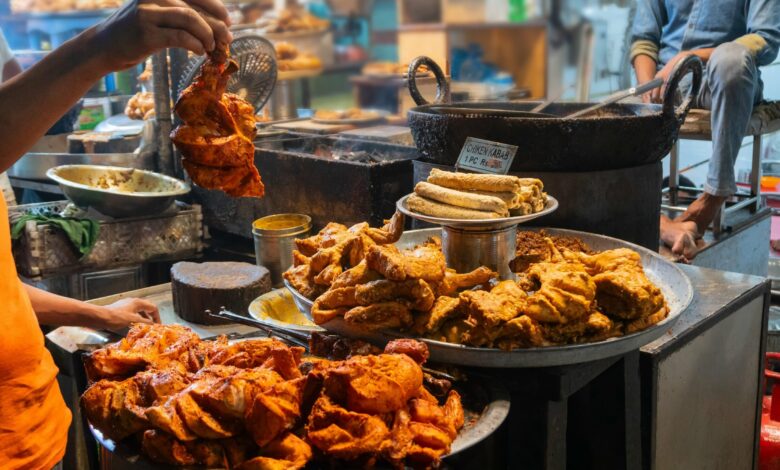
Traveling by road is not just about reaching a destination; it is also about the experiences along the way. One of the most memorable aspects of road travel is road food. These meals, often simple yet deeply satisfying, give travelers a taste of local culture and cuisine. From bustling highway diners to hidden roadside shacks, road food has a unique charm that connects people to the regions they traverse.
Road food refers to meals and snacks available along travel routes, often in small, family-run eateries or food trucks. Unlike fine dining or chain restaurants, road food focuses on authenticity, comfort, and convenience. These establishments serve dishes that reflect local culinary traditions, offering travelers a chance to experience regional flavors in an informal setting.
The Origins of Road Food
The concept of road food has deep roots in travel history. In many countries, travelers relied on simple roadside meals for sustenance during long journeys. In the United States, diners and small cafes emerged along highways to cater to road travelers, offering hearty dishes such as burgers, sandwiches, and pies. Similarly, in South Asia, dhabas along highways provide filling meals like roti, lentils, and curries for truck drivers and travelers alike. These establishments are not just about food; they are community hubs where stories, cultures, and experiences are shared.
Global Variations
Road food varies significantly across different regions. In Europe, travelers might find quaint cafes serving pastries, cheeses, and regional specialties, while in Southeast Asia, street stalls offer noodles, satay, and fresh fruit. Each type of road food reflects the local ingredients, traditions, and tastes of its area. These differences make road food a fascinating culinary journey, allowing travelers to explore the diversity of global cuisine without leaving the roadside.
Cultural and Social Significance
Road food is more than just a meal; it is a cultural experience. It allows travelers to connect with local traditions and communities. Small roadside eateries often serve as gathering places for locals, offering insights into daily life and social practices. Sharing a meal at a local roadside cafe can provide an authentic glimpse into the culture of a region, making road food an essential part of travel and exploration.
Economic Importance
Road food also plays a significant role in local economies. Family-owned eateries, street vendors, and small cafes depend on travelers for income. These businesses often support local farmers and suppliers by sourcing fresh, regional ingredients. By purchasing road food, travelers contribute to sustaining local economies and preserving culinary traditions.
Health and Nutrition
While road food is primarily valued for taste and cultural experience, it is also important to consider nutrition and hygiene. Many roadside establishments prepare meals with fresh, locally sourced ingredients, which can offer balanced nutrition. However, travelers should exercise caution and choose establishments known for cleanliness to ensure a safe dining experience. When selected carefully, road food can provide wholesome, satisfying meals that fuel long journeys.
Challenges in Road Food
Despite its many benefits, road food comes with challenges. Some establishments may face inconsistent quality or limited food options. Hygiene and sanitation are critical concerns, as not all roadside eateries follow strict safety standards. Additionally, road food vendors often operate in informal economies, making them vulnerable to regulatory and economic pressures. Travelers can help support these businesses by respecting local practices and choosing reputable establishments.
Tips for Enjoying Road Food
To fully enjoy road food, travelers should approach it with curiosity and openness. Trying regional specialties, asking locals for recommendations, and exploring hidden gems off the main highways can lead to unforgettable culinary experiences. Sampling road food is not just about eating; it is about connecting with the place, the people, and the culture along the journey.
The Future of Road Food
With growing interest in culinary tourism, road food is gaining recognition as an essential aspect of travel. Food bloggers, travelers, and media are highlighting the unique experiences offered by roadside eateries. Innovations like mobile food trucks, improved hygiene practices, and social media exposure are helping road food vendors reach a wider audience while preserving their authentic flavors.
Conclusion
Road food is an essential part of the travel experience, offering a blend of taste, culture, and community. From the humble roadside diner to vibrant street stalls, these meals provide more than just sustenance—they offer a journey through local traditions and flavors. By exploring and appreciating road food, travelers not only satisfy their hunger but also connect with the heart of every region they visit.
FAQs
- What is road food?
Road food refers to meals available along travel routes, typically in small, local eateries offering authentic regional flavors. - Why is road food popular among travelers?
It provides convenient, affordable, and flavorful meals while allowing travelers to experience local culinary traditions. - How does road food contribute to local economies?
It supports family-run eateries, local vendors, and farmers by sourcing ingredients and serving travelers, sustaining regional economies. - Is road food safe to eat?
Choosing establishments with good hygiene practices and fresh ingredients ensures a safe and enjoyable dining experience. - Can road food be found worldwide?
Yes, road food exists globally, with each region offering unique dishes that reflect local ingredients, culture, and traditions.