
The tincandescent light bulb is one of the most iconic inventions in human history, revolutionizing the way we illuminate our homes, workplaces, and public spaces. Despite being gradually replaced by more energy-efficient lighting technologies, the tincandescent light bulb continues to hold a significant place due to its warm, natural glow and simplicity. This article delves into the history, structure, working principle, advantages, disadvantages, and applications of the tincandescent light bulb, providing a complete guide for readers who want to understand this classic lighting technology.
History of the Tincandescent Light Bulb
The tincandescent light bulb has a rich history that dates back to the late 19th century. Early inventors experimented with various materials for filaments, including carbon and platinum. Over time, tungsten became the preferred filament material because of its high melting point and durability. The development of the tincandescent light bulb transformed society, extending productive hours beyond daylight and making homes and streets brighter and safer. Its invention marked a turning point in both domestic life and industrial development, creating new possibilities for education, commerce, and entertainment.
Structure and Components of the Tincandescent Light Bulb
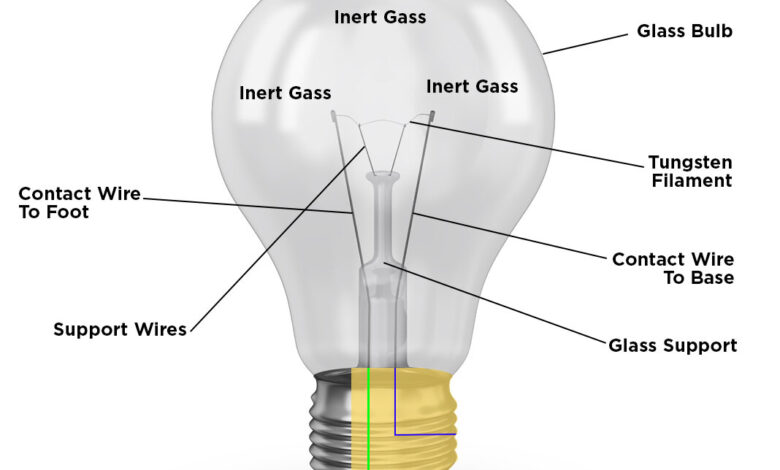
The tincandescent light bulb has a deceptively simple design. At its core, a thin tungsten filament is enclosed within a glass bulb that is either evacuated or filled with an inert gas, such as argon or nitrogen. The filament is connected to metal contacts at the base, which allow electrical current to flow through the bulb. The glass envelope prevents the filament from oxidizing while providing physical protection. Some bulbs also feature coatings on the glass to adjust light diffusion and reduce glare. The base, typically made of metal, serves both as a connector to the electrical socket and as a support structure for the filament.
How the Tincandescent Light Bulb Works
The working principle of the tincandescent light bulb is simple yet effective. When an electrical current passes through the tungsten filament, the filament heats up to a high temperature, usually above 2,000 Kelvin. This causes it to emit visible light through incandescence. Most of the electrical energy is converted into heat, with only a small portion producing light, which explains why tincandescent light bulbs are less energy-efficient than modern alternatives. Despite this inefficiency, the light they produce is continuous and warm, making it aesthetically pleasing for residential and decorative purposes.
Advantages of the Tincandescent Light Bulb
There are several advantages to using a tincandescent light bulb. First, they provide an immediate, warm, and natural light that is easy on the eyes, creating a cozy atmosphere. Second, they are fully dimmable, allowing users to adjust brightness to suit different activities. Third, their simple design makes them inexpensive and widely compatible with various fixtures. Lastly, the tincandescent light bulb requires no special equipment to operate, making it convenient for use in homes, small businesses, and temporary lighting setups.
Disadvantages of the Tincandescent Light Bulb
Despite its benefits, the tincandescent light bulb has notable disadvantages. Its energy efficiency is low, with approximately 90–95% of electricity being converted to heat rather than light. This inefficiency leads to higher electricity bills over time. Additionally, the filament has a relatively short lifespan, typically around 1,000 to 2,000 hours, necessitating frequent replacements. The heat generated can also be a safety concern in enclosed spaces, contributing to potential fire hazards if not handled carefully. These drawbacks have driven the development of more efficient lighting technologies, such as LEDs and compact fluorescent lamps.
Applications of the Tincandescent Light Bulb
The tincandescent light bulb is versatile and continues to find use in several areas. Residential lighting remains the most common application, particularly in spaces where warm, soft light is preferred. Decorative lighting, such as chandeliers and vintage-style bulbs, often uses tincandescent light bulbs to create an inviting atmosphere. They are also used in small appliances, flashlights, and scientific equipment where precise light characteristics are required. While less common in commercial and street lighting today, the tincandescent light bulb still has niche applications where its unique light quality is valued.
Efficiency and Environmental Impact
In terms of energy efficiency, the tincandescent light bulb is outperformed by LEDs and CFLs. Its high energy consumption translates into increased environmental impact, particularly when considering the electricity generation needed to power them. Frequent replacements add to waste, contributing to resource depletion. However, the simple manufacturing process of the tincandescent light bulb means it has a lower initial production footprint compared to complex modern alternatives. Understanding these environmental implications helps users make informed choices about their lighting solutions.
Conclusion
The tincandescent light bulb, though largely replaced by more energy-efficient technologies, remains a symbol of innovation and human ingenuity. Its warm, natural light and simple design make it a timeless choice for certain applications. By understanding its history, working principle, advantages, and limitations, users can appreciate both its contributions to society and the reasons for its gradual phase-out. While modern lighting solutions offer efficiency and sustainability, the tincandescent light bulb continues to be valued for its aesthetic qualities and reliability in specific scenarios.
Frequently Asked Questions
- What is a tincandescent light bulb?
A tincandescent light bulb is a traditional light source that produces light by heating a tungsten filament until it glows. - How long does a tincandescent light bulb last?
Typically, a tincandescent light bulb lasts between 1,000 and 2,000 hours, depending on usage and handling. - Why is the tincandescent light bulb not energy efficient?
Most of the electricity in a tincandescent light bulb is converted to heat, with only a small portion producing visible light. - Can a tincandescent light bulb be dimmed?
Yes, tincandescent light bulbs are fully dimmable and provide instant light when switched on. - Where is the tincandescent light bulb commonly used?
They are widely used in homes, decorative lighting, small appliances, and settings where warm light is desired.