
If you’ve ever left a bowl of fruit on the counter and found tiny flies hovering days later, you know how stubborn fruit flies can be. This article explains a practical, inexpensive method to control them using common household items. The focus is on a reliable fruit fly trap DIY dish soap solution you can set up in minutes, plus tips to prevent reinfestation and get long-term control.
Why this method works
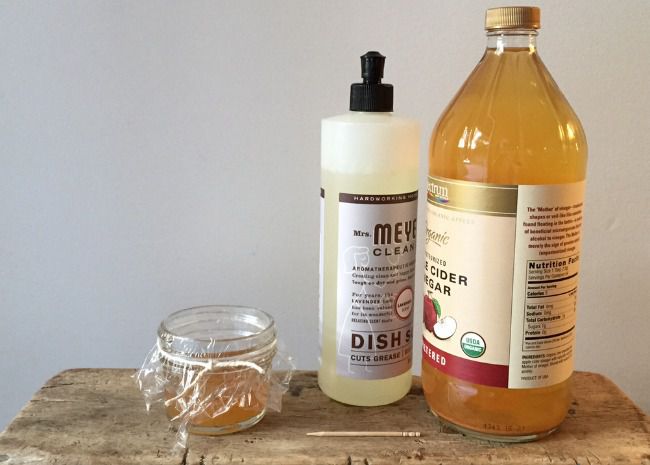
Fruit flies are drawn to fermenting sugars and acidic smells. A fruit fly trap DIY dish soap blend uses a sweet, attractive liquid as bait and a few drops of dish soap to break the surface tension so the insects sink and cannot escape. It’s non-toxic, safe for indoor use when kept away from children and pets, and often more effective than sticky traps or sprays because it targets the flies’ natural behavior.
What you’ll need (all items most households already have)
• A small clear container or jar
• Apple cider vinegar, wine, or overripe fruit juice for bait
• A few drops of regular liquid dish soap
• Plastic wrap or a paper funnel (optional)
These simple ingredients let you build a fruit fly trap DIY dish soap trap in under five minutes.
Step-by-step: making the trap
- Pour about half a cup of apple cider vinegar, old wine, or fruit juice into the jar. Apple cider vinegar is usually the best bait because its fermentation smell mimics what fruit flies seek.
- Add two to four drops of dish soap and gently swirl the liquid to mix. The dish soap doesn’t repel flies — it disables the surface tension so they sink.
- Option A: Leave the jar uncovered and place it where flies are most active. Option B: Cover the jar tightly with plastic wrap, poke a few small holes, or make a paper funnel to insert into the jar mouth so flies can enter but struggle to find the way out.
- Check the trap after a few hours and empty it when it’s full. Refill with fresh bait as needed.
Variations and when to use them
• Wine or beer option: If you prefer a less vinegary smell, a small amount of red wine or beer works well as bait. Mix in dish soap the same way.
• Overripe fruit mash: Chop a piece of banana or other overripe fruit, place it in the jar, add a little water, and a couple of drops of dish soap. This is handy when you don’t have vinegar or alcohol on hand.
• Funnel bottle trap: Cut a plastic bottle in half, invert the top to make a funnel, and secure it to the lower portion. Pour bait in, add soap, and let flies enter through the funnel. This is mess-free and good for larger infestations.
Placement and timing for best results
Put your fruit fly trap DIY dish soap units near the source — fruit bowls, trash cans, compost bins, and drains. Fruit flies tend to be most active in warm, humid spots and during the day, so kitchen counters and near sink drains are prime locations. Multiple small traps around the problem area often work better than one large trap.
Maintenance and disposal
Empty and refresh traps daily or whenever they’re visibly full. To dispose, flush the liquid and dead flies down the sink and rinse thoroughly. Clean the container to avoid lingering odors. For reusable jars, a quick dishwasher cycle is usually enough.
Prevention: stop the next infestation before it starts
Trapping catches adults, but preventing breeding removes the source. Keep fruit refrigerated or in sealed containers, clean spills immediately, cover compost, and regularly empty trash. Check for hidden breeding sites like sink traps, houseplant soil, or the bottoms of grocery bags.
Safety and environmental notes
This fruit fly trap DIY dish soap approach avoids harsh pesticides, so it’s much gentler for indoor use. Still, keep traps away from pets and small children. Do not mix cleaning products with bait liquids — the dish soap and vinegar or fruit juice are sufficient and safe when used as intended.
Troubleshooting common problems
• Not catching many flies? Move the trap closer to where you see the most activity, or switch to apple cider vinegar or wine for stronger attraction.
• Traps evaporating too quickly: Use a partially covered jar or place it out of direct sunlight.
• Persistent flies: Make several traps and combine them with improved kitchen hygiene to eliminate breeding sites.
Sample weekly plan to rid a kitchen of fruit flies in one week
Day 1: Place two traps (one near fruit bowl, one near trash). Clean counters and empty compost.
Day 3: Replace bait and empty traps as needed. Check drains and clean.
Day 5: Add a trap near the sink and reduce visible food sources.
Day 7: Expect significantly fewer flies. Continue traps on an as-needed basis while keeping surfaces clean.
Conclusion
A fruit fly trap DIY dish soap setup is a quick, effective way to deal with nuisance fruit flies using items you already own. It’s affordable, safe, and simple — a practical first step before considering harsher measures. By following the simple instructions and combining traps with diligent kitchen hygiene, you can reclaim your counters and stop fruit flies from coming back.
FAQs
- How long does a fruit fly trap DIY dish soap trap take to work?
Most people see results within a few hours to a day; check and refresh bait daily for best results. - Can I use regular white vinegar instead of apple cider vinegar?
Yes — white vinegar will attract some flies, but apple cider vinegar or wine tends to be more effective. - Is dish soap harmful to pets or children if used in traps?
When left in a sealed jar or out of reach, the small amount of dish soap in these traps is low risk, but keep traps away from curious pets and children. - How often should I replace the bait in the trap?
Replace bait every two days or sooner if the liquid looks cloudy or the trap is full of flies. - Will this method get rid of fruit fly larvae too?
The trap primarily catches adults; preventing breeding by removing attractive food and cleaning hotspots is necessary to eliminate larvae.


