
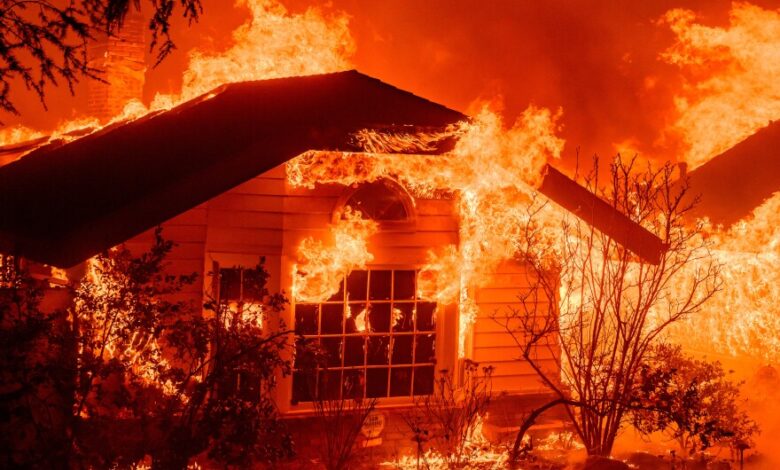
The Eaton Fire has emerged as one of the most significant wildfire incidents in recent California history. Spreading rapidly across Eaton Canyon and surrounding areas, it caused widespread destruction to homes, infrastructure, and natural habitats. Understanding the causes, impacts, and lessons learned from the Eaton Fire is essential for both residents in fire-prone areas and policymakers working on disaster preparedness. This article explores the Eaton Fire in depth, offering a comprehensive overview while providing actionable insights for communities, environmentalists, and public safety authorities
Origins and Causes of the Eaton Fire
The Eaton Fire began in early January under conditions of extreme dryness and strong winds, which are common in the San Gabriel Mountains region. Preliminary investigations suggest that the fire may have been linked to electrical infrastructure, although official reports have yet to confirm a definitive cause. Regardless, this incident highlights the vulnerabilities present in areas with aging power lines and dry vegetation. Experts emphasize the importance of preventive maintenance, controlled vegetation management, and community awareness to minimize risks of similar fires in the future.
Scale and Spread
The Eaton Fire quickly expanded due to a combination of dry brush, low humidity, and high wind speeds. Over a period of several days, thousands of acres were engulfed in flames. Residential areas, commercial properties, and forests suffered extensive damage. Firefighting efforts involved hundreds of personnel and multiple firefighting agencies working around the clock. The rapid spread of the Eaton Fire underscores the challenges of managing wildfires in densely populated regions near natural reserves.
Impact on Communities
The human impact of the Eaton Fire was profound. Entire neighborhoods were evacuated, leaving families displaced and communities disrupted. The fire destroyed numerous homes and essential infrastructure, including schools and local businesses. Beyond the immediate destruction, residents faced long-term emotional and financial consequences. Community support networks, emergency shelters, and governmental aid became critical in addressing the immediate and ongoing needs of affected individuals.
Environmental Consequences
The environmental effects of the Eaton Fire were extensive. Large swaths of vegetation were burned, leading to habitat loss for wildlife and increasing the risk of soil erosion. Air quality in nearby areas deteriorated due to smoke and particulate matter, affecting public health. Ecologists warn that the recovery of local ecosystems may take years, emphasizing the importance of post-fire rehabilitation efforts such as reforestation, soil stabilization, and wildlife support programs.
Firefighting Response and Strategies
The response to the Eaton Fire involved a coordinated effort between local, state, and federal firefighting agencies. Strategies included creating firebreaks, deploying aerial water drops, and implementing evacuation protocols for residents. Lessons learned from this response highlight the importance of rapid mobilization, efficient communication, and community preparedness in managing large-scale wildfire events. Firefighting strategies must continuously evolve to account for climate change and increased wildfire risks in California and similar regions.
Lessons Learned from the Eaton Fire
The Eaton Fire serves as a critical case study for wildfire prevention and management. Key takeaways include the need for proactive maintenance of electrical and utility infrastructure, strategic vegetation management, and enhanced public awareness campaigns. Communities must also invest in fire-resistant construction practices and emergency preparedness plans. Policymakers and urban planners are urged to integrate lessons from the Eaton Fire into building codes, zoning regulations, and disaster response frameworks to mitigate future risks.
Recovery and Community Rebuilding
Rebuilding after the Eaton Fire is an ongoing process. Efforts focus not only on reconstructing homes and businesses but also on restoring social and ecological systems. Local organizations and government agencies are providing support for displaced residents while coordinating long-term rebuilding initiatives. Community engagement, transparency in aid distribution, and sustainable reconstruction practices are critical to ensuring resilient recovery and preventing similar levels of destruction in future wildfire events.
Conclusion
The Eaton Fire is a stark reminder of the destructive potential of wildfires in vulnerable regions. Its extensive impact on communities, infrastructure, and the environment underscores the need for comprehensive preventive measures, robust emergency response systems, and ongoing public education. By analyzing the causes, understanding the effects, and applying lessons learned, communities can enhance their resilience and better prepare for future wildfire challenges. The Eaton Fire highlights the importance of collaboration between residents, authorities, and environmental experts in protecting lives, property, and ecosystems.
Frequently Asked Questions
- What caused the Eaton Fire?
The Eaton Fire was likely linked to electrical infrastructure, but the definitive cause is still under investigation. - How large was the area affected by the Eaton Fire?
Thousands of acres were burned, impacting residential areas, forests, and local businesses. - What were the main environmental impacts of the Eaton Fire?
The fire caused habitat loss, soil erosion risks, and significant deterioration of air quality. - How did communities respond to the Eaton Fire?
Residents evacuated, emergency shelters were opened, and support networks assisted displaced individuals. - What lessons can be learned from the Eaton Fire?
Proactive infrastructure maintenance, community preparedness, and sustainable rebuilding are essential to reduce future risks.