
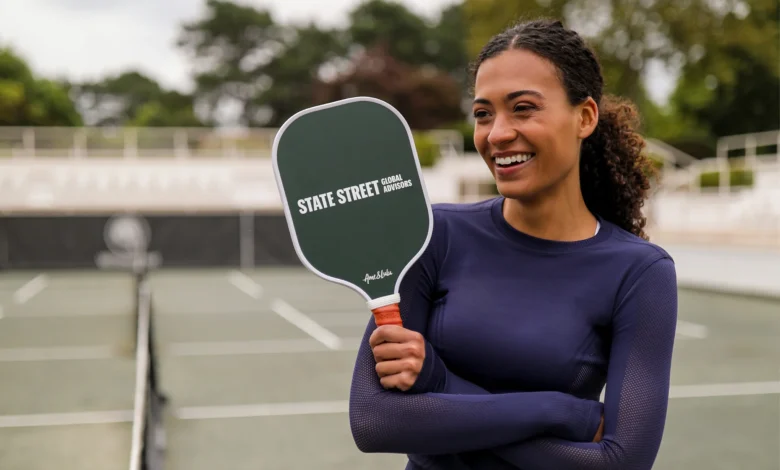
Pickleball has seen an unprecedented rise in popularity over the past decade, drawing players of all ages and skill levels. Its appeal comes from being easy to learn, fast-paced, and highly social, making it suitable for both casual and competitive players. As the sport grows, so does the demand for equipment that enhances gameplay while reflecting personal style. Among the most sought-after innovations in pickleball gear are custom pickleball paddles. These paddles allow players to tailor their equipment to meet both performance and aesthetic preferences, giving them an edge on the court. Whether you are a beginner looking for a comfortable paddle or a seasoned competitor seeking optimal control and power, custom pickleball paddles offer solutions that standard paddles simply cannot match.
Custom paddles are not merely about looks; they provide tangible benefits in gameplay. They allow players to adjust weight, balance, grip size, and paddle surface to match their style. The ability to select materials and design features ensures that every stroke, volley, and serve feels natural and efficient. For many players, a well-designed custom paddle becomes an extension of their own movements, improving both comfort and performance. This comprehensive guide will explore every aspect of custom pickleball paddles, from materials and construction to customization options, benefits, maintenance, and emerging trends.
What Are Custom Pickleball Paddles?
Custom pickleball paddles are paddles created to meet the specific preferences of an individual player. Unlike standard paddles, which are mass-produced and offer limited variation, custom paddles provide flexibility in materials, weight, balance, grip, and design. They are tailored to optimize performance, comfort, and style. A custom paddle can be as simple as a personalized color or as complex as a fully engineered design with specific weight distribution, core composition, and face materials suited to a player’s unique playing style.
The demand for custom pickleball paddles has grown significantly due to the sport’s increasing popularity and the desire of players to differentiate themselves. Customization allows for personalization that reflects a player’s identity, whether for competitive purposes or recreational enjoyment. Many professional and semi-professional players swear by custom paddles because they provide a tangible advantage in control, precision, and power. Even casual players find that a paddle specifically suited to their needs enhances the enjoyment of the game.
Materials and Construction
The construction of a custom pickleball paddle plays a crucial role in how it performs on the court. Two main components define a paddle’s performance: the core and the face.
Paddle Core
The core, or the internal structure of the paddle, is primarily responsible for how the paddle feels and responds to shots. Common materials used in custom paddles include:
- Polypropylene Honeycomb: Lightweight and durable, offering a balanced mix of power and control. Ideal for players who want a consistent feel across the paddle surface.
- Nomex: Extremely rigid and durable, providing high power and fast response, often favored by advanced players.
- EVA Foam: Offers excellent shock absorption and softer feel, making it suitable for beginners or players who prefer control over power.
- Aluminum Honeycomb: Durable and lightweight, often used in premium paddles for competitive play.
The choice of core material directly impacts how much power and control a player can generate. Players who prefer aggressive baseline play may opt for a stiffer core to maximize power, while defensive players may choose a softer core to absorb shocks and improve control.
Paddle Face
The paddle face, or hitting surface, determines the paddle’s responsiveness and spin potential. Materials commonly used include:
- Fiberglass: Provides a balance of power and control, with a slightly softer feel that is forgiving on off-center hits.
- Carbon Fiber: Highly responsive and precise, allowing for fast ball speeds and better control on spins. Popular among advanced players for competitive play.
- Composite Materials: A blend of fibers and resin, offering a versatile balance suitable for many playing styles.
The combination of core and face materials allows players to engineer their paddle to their exact preferences. With custom pickleball paddles, every choice—from core density to face material—affects shot accuracy, ball speed, and comfort during play.
Weight, Balance, and Shape
Weight and balance are fundamental factors that influence how a paddle performs. Custom pickleball paddles can be engineered to optimize these characteristics for a player’s unique style.
- Weight: Custom paddles generally range from 7 to 8.5 ounces. Lighter paddles provide faster maneuverability, which is ideal for net play and quick reactions. Heavier paddles, on the other hand, offer greater power and stability, beneficial for baseline players and strong hitters.
- Balance: The balance of a paddle determines whether it is head-heavy, handle-heavy, or evenly balanced. Head-heavy paddles generate more power and leverage, while handle-heavy paddles improve control and precision.
- Shape: Paddle shapes vary widely, including standard, widebody, elongated, and hybrid designs. Widebody paddles expand the sweet spot, reducing off-center mishits. Elongated paddles provide extra reach and leverage, enhancing spin and control on specific shots.
Choosing the right combination of weight, balance, and shape ensures that each stroke feels natural, reduces fatigue, and enhances performance during extended play.
Grip and Handle Customization
The grip is one of the most important yet overlooked aspects of paddle performance. A properly sized and comfortable grip allows players to maintain control, reduce hand fatigue, and prevent injuries like blisters or tennis elbow.
Custom pickleball paddles allow players to select:
- Grip size: Ranging from small to large, ensuring the handle fits the player’s hand perfectly.
- Grip material: Options include cushioned, tacky, or textured materials that enhance comfort and control.
- Grip shape and length: Certain designs help distribute force evenly, improving accuracy and reducing stress on the wrist.
Players can even choose to add overgrips or specialized cushioned wraps for extra comfort. A properly customized handle improves both confidence and performance, allowing players to focus on strategy rather than discomfort.
Aesthetic Design and Personalization
Beyond functional aspects, custom pickleball paddles provide extensive options for aesthetic personalization. This includes colors, patterns, graphics, logos, or full-surface images printed with high-resolution UV technology. Personalized designs allow players to showcase their identity, create team branding, or make a statement on the court.
For clubs and competitive teams, matching paddles create a sense of unity and professionalism. Players also enjoy unique designs that reflect their personal taste, hobbies, or favorite color schemes. The aesthetic appeal of custom paddles adds a fun and personal dimension to the game, enhancing the overall experience.
Tournament Compliance and Regulations
For competitive players, adhering to official regulations is essential. Custom pickleball paddles can be designed to meet the standards set by governing bodies like USA Pickleball. Regulations typically cover:
- Paddle size: Maximum length and width limits.
- Surface texture: Ensuring the paddle does not create excessive spin or bounce.
- Material restrictions: To maintain fair play and safety.
Before participating in sanctioned tournaments, players should verify that their custom paddle is approved for competition. Manufacturers often provide options to certify paddles, ensuring compliance without compromising personalization or performance.
Choosing the Right Manufacturer
The quality and reliability of a custom paddle largely depend on the manufacturer. Selecting the right company involves considering:
- Customization options: Including material choices, weight adjustments, grip designs, and aesthetic personalization.
- Minimum order quantities: Some manufacturers allow single orders, while others require larger quantities.
- Turnaround time: Depending on the complexity, it may take weeks to produce a custom paddle.
- Warranty and customer support: Ensures the paddle is protected against defects and can be replaced or repaired if needed.
Researching reputable manufacturers, reading customer reviews, and asking about production capabilities helps ensure that your investment results in a high-quality, long-lasting paddle.
Benefits of Investing in Custom Paddles
Custom pickleball paddles offer multiple benefits that make them worth the investment:
- Enhanced Performance: Tailored weight, balance, grip, and materials improve control, power, and accuracy.
- Comfort and Injury Prevention: Ergonomic grips and optimized weight reduce strain and fatigue.
- Personal Expression: Custom designs allow players to showcase their personality, favorite colors, or team identity.
- Durability: High-quality materials and craftsmanship ensure paddles last longer than standard models.
- Competitive Advantage: Players can fine-tune every aspect of the paddle to match their playing style, giving them a strategic edge on the court.
These benefits make custom pickleball paddles appealing to players of all levels, from recreational enthusiasts to professional athletes.
Care and Maintenance Tips
To extend the life and maintain the performance of custom pickleball paddles:
- Avoid extreme temperatures: Heat and moisture can warp materials and reduce durability.
- Clean regularly: Use a damp cloth to remove sweat, dirt, and debris from the paddle surface.
- Check grip condition: Replace worn grips to maintain comfort and control.
- Protect storage: Use a protective case to prevent scratches, dents, or other damage during transport.
- Avoid excessive force: Hitting the paddle on hard surfaces or using it to lift balls can reduce lifespan.
Proper care ensures that your custom paddle remains functional, visually appealing, and competitive for years to come.
Future Trends in Custom Pickleball Paddles
As pickleball continues to grow, innovation in paddle design is accelerating. Emerging trends include:
- Advanced materials: Graphene and carbon composites for lighter, stronger, and more responsive paddles.
- Ergonomic designs: Handles and grips engineered for comfort, performance, and reduced injury risk.
- Enhanced vibration control: Dampening systems to minimize shock and improve feel.
- Tech integration: Some prototypes explore sensors to track stroke metrics and player performance.
- Personalized branding: Increasing demand for unique aesthetics and team customization.
These trends highlight the evolving nature of custom pickleball paddles and their role in enhancing both performance and style.
Conclusion
Custom pickleball paddles are more than just equipment; they are a fusion of performance, comfort, and personal expression. By selecting materials, weight, balance, grip, and aesthetic elements tailored to individual preferences, players gain a competitive advantage and elevate their enjoyment of the game. Whether you are a beginner seeking comfort, a recreational player wanting style, or a professional looking for precision, investing in a custom paddle is a strategic choice. With proper care and attention to quality, custom pickleball paddles can provide years of exceptional performance while reflecting your unique personality on the court.
FAQs
1. What are custom pickleball paddles?
Custom pickleball paddles are paddles designed to meet a player’s specific preferences for weight, grip, materials, and design.
2. Can custom paddles be used in tournaments?
Yes, if they comply with USA Pickleball regulations regarding size, surface texture, and materials.
3. How long does it take to get a custom paddle?
Production typically takes between two to six weeks, depending on complexity and manufacturer.
4. Are custom paddles more expensive than standard ones?
Yes, due to personalized materials, design, and craftsmanship, custom paddles generally cost more.
5. How should I maintain a custom paddle?
Clean it regularly, avoid extreme temperatures, inspect grips for wear, and store it in a protective case.


