
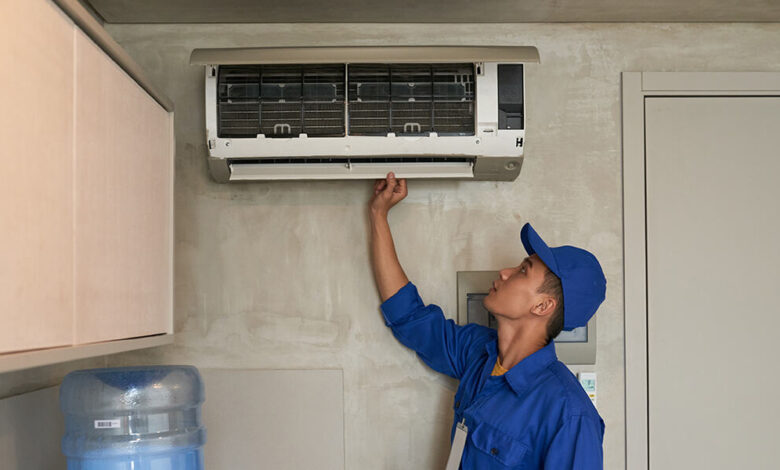
Air conditioning systems are meant to bring comfort, especially during hot months. When a system starts failing, it can quickly disrupt daily life. A breaking ac is not just an inconvenience; it can affect indoor air quality, energy bills, and even health if left unaddressed. Understanding why air conditioners break, how to recognize early warning signs, and what actions to take can help homeowners make smarter decisions and avoid costly emergencies.
Understanding What Breaking AC Really Means
A breaking ac refers to an air conditioner that is no longer working as it should. This does not always mean a complete shutdown. In many cases, the system still runs but fails to cool effectively, makes strange noises, or cycles on and off too often. These issues usually develop over time, but they may also happen suddenly due to electrical faults or extreme weather conditions.
Air conditioners are complex systems made up of electrical, mechanical, and refrigerant components. When one part starts to fail, it often affects the performance of the entire unit. Recognizing the difference between minor issues and serious breakdowns is essential for timely action.
Common Causes Behind a Breaking AC
Several factors can lead to a breaking ac, and most of them are linked to maintenance habits or system age. Dirty air filters are one of the most common causes. When filters are clogged, airflow becomes restricted, forcing the system to work harder than necessary.
Refrigerant leaks are another major cause. Low refrigerant levels prevent the system from absorbing heat properly, leading to weak cooling and frozen coils. Electrical issues, such as faulty capacitors or damaged wiring, can also cause sudden system failure.
Age plays a significant role as well. Most air conditioners are designed to last around 10 to 15 years. As components wear out, breakdowns become more frequent, and efficiency drops noticeably.
Warning Signs You Should Not Ignore
A breaking ac often shows clear warning signs before it completely fails. One of the earliest indicators is reduced cooling performance. If rooms take longer to cool or never reach the desired temperature, something is likely wrong.
Unusual noises, such as grinding, rattling, or buzzing, may signal loose parts or motor issues. Water leaks around the indoor unit can indicate a clogged drain line or frozen evaporator coil. Another common sign is frequent cycling, where the system turns on and off repeatedly, putting extra stress on internal components.
Ignoring these signs usually leads to more expensive repairs later, so early attention is always beneficial.
Immediate Steps to Take When Your AC Breaks
When dealing with a breaking ac, the first step is to check basic settings. Ensure the thermostat is set correctly and that circuit breakers have not tripped. Sometimes, simple issues can mimic major problems.
Next, inspect air filters and replace them if they appear dirty. Clearing debris around the outdoor unit can also restore airflow. If these steps do not improve performance, it is best to turn off the system to prevent further damage and seek professional assistance.
Running a malfunctioning unit for extended periods can worsen the problem and increase repair costs.
Repair or Replace: Making the Right Decision
Deciding whether to repair or replace a breaking ac depends on several factors. If the system is relatively new and the repair cost is minor, fixing it usually makes sense. However, older units with frequent breakdowns may no longer be worth repairing.
Energy efficiency is another consideration. Older systems often consume more electricity while delivering less cooling. In such cases, replacement may offer long-term savings despite higher upfront costs.
A good rule of thumb is to consider replacement if repair costs approach half the price of a new system, especially if the unit is nearing the end of its expected lifespan.
Impact of a Breaking AC on Energy Bills
One often overlooked effect of a breaking ac is its impact on energy consumption. A struggling system runs longer cycles to maintain indoor temperature, leading to higher electricity usage. Faulty components also reduce efficiency, forcing the unit to draw more power.
Homeowners may notice a sudden spike in energy bills without any change in usage habits. Addressing AC problems early not only restores comfort but also helps control ongoing utility expenses.
Preventive Maintenance to Avoid Future Breakdowns
Preventing a breaking ac starts with regular maintenance. Cleaning or replacing air filters every few weeks improves airflow and reduces strain on the system. Annual professional inspections help identify worn parts before they fail completely.
Keeping the outdoor unit clean and ensuring proper ventilation around it also supports efficient operation. Simple habits like these significantly extend system life and reduce the risk of sudden breakdowns.
Why Seasonal Stress Causes AC Failures
Many air conditioners fail during peak summer months due to increased workload. High outdoor temperatures force systems to run longer and harder, exposing any existing weaknesses. A breaking ac during summer is often the result of deferred maintenance combined with extreme heat.
Preparing the system before the season begins is the best way to avoid emergency breakdowns when cooling is needed most.
Long-Term Effects of Ignoring AC Problems
Ignoring a breaking ac can lead to more than discomfort. Poor cooling can increase humidity levels indoors, encouraging mold growth and affecting air quality. Mechanical issues may spread, turning small repair needs into major system failures.
Over time, the stress placed on failing components shortens the lifespan of the entire unit. Prompt action protects both comfort and investment.
Conclusion
A breaking ac is a common issue, but it does not have to become a major problem. By understanding the causes, recognizing early warning signs, and taking preventive measures, homeowners can maintain reliable cooling and avoid unnecessary expenses. Regular maintenance, timely repairs, and informed decisions about replacement ensure long-term comfort and efficiency. Addressing AC issues early always leads to better outcomes than waiting for complete failure.
Frequently Asked Questions
What is the most common cause of a breaking ac
Dirty air filters and lack of regular maintenance are among the most common causes of AC breakdowns.
Can I still run my AC if it is not cooling properly
Running a malfunctioning unit can cause more damage, so it is better to turn it off and inspect the issue.
How long does an air conditioner usually last
Most air conditioners last between 10 and 15 years with proper maintenance.
Does a breaking ac increase electricity bills
Yes, inefficient operation often leads to higher energy consumption and increased utility costs.
When should I replace instead of repair my AC
Replacement is usually better when repair costs are high and the system is old or inefficient.


